

Astigmatism
Blurred or distorted vision caused when the eye does not focus light evenly. Glasses, contact lenses or other clinician-advised options may improve vision.
Optometrist-reviewed learning centre
Understand common eye-health and prescription terms in clear language. This glossary supports informed care; it does not diagnose symptoms.
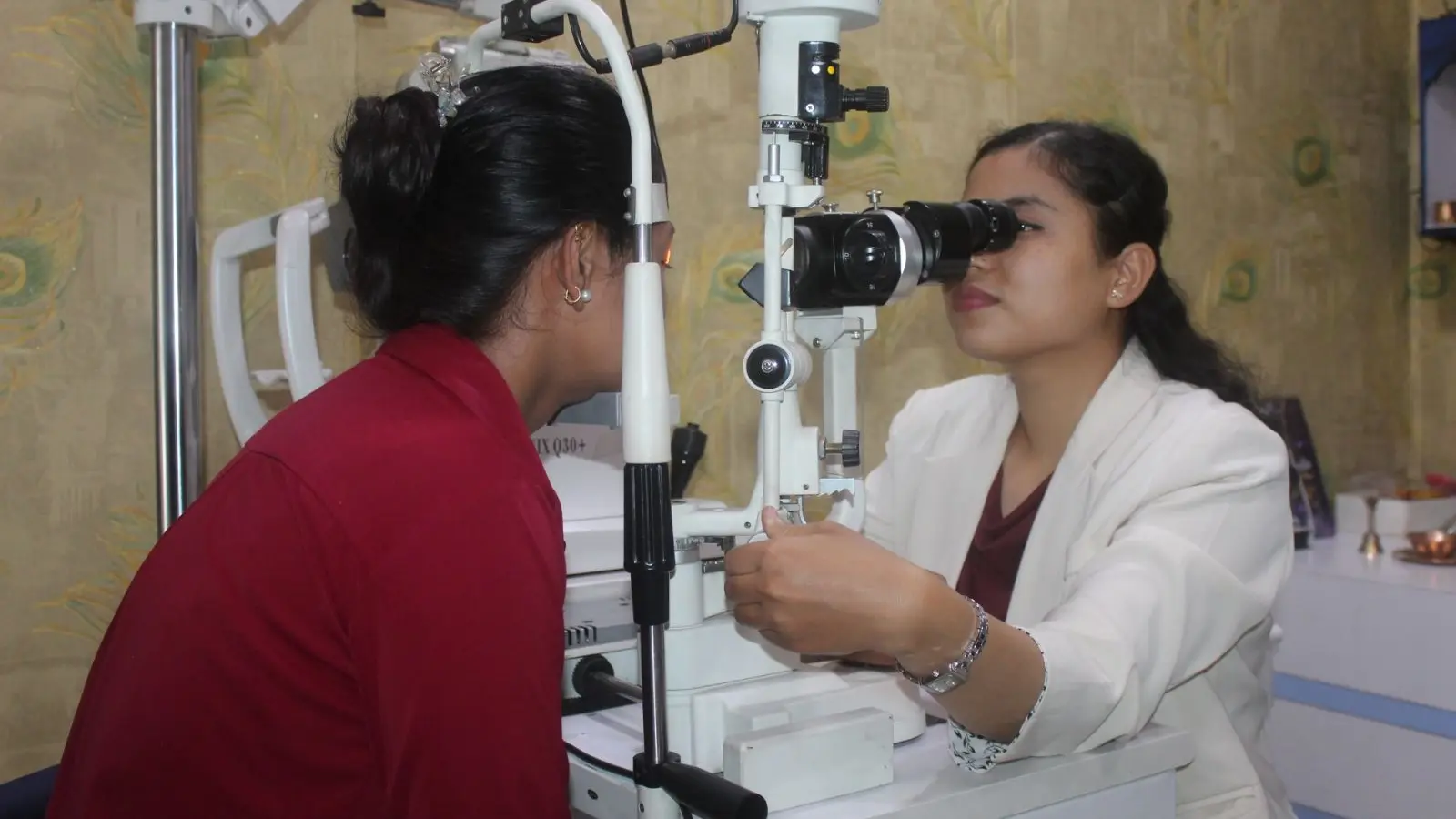
Blurred or distorted vision caused when the eye does not focus light evenly. Glasses, contact lenses or other clinician-advised options may improve vision.
Reduced vision, usually beginning in childhood, when the brain relies more on one eye. Early professional assessment matters.
Clouding of the eye’s natural lens that can reduce clarity, contrast and night vision. An ophthalmology assessment determines treatment.
Inflammation of the transparent tissue over the white of the eye. Causes include infection, allergy and irritation, so treatment depends on diagnosis.
A condition in which tears do not adequately lubricate the eyes. Symptoms may include burning, grittiness, watering and fluctuating vision.
Small moving spots or strands in vision. A sudden increase, flashes or a curtain-like shadow needs urgent retinal assessment.
Long-sightedness: near work may be difficult because light focuses behind the retina when accommodation is insufficient.
Short-sightedness: distant objects appear blurred because light focuses in front of the retina. Children with progressing myopia need regular monitoring.
Poor oil-layer production from the eyelids, commonly contributing to evaporative dry eye.
An age-related reduction in near focusing ability, commonly becoming noticeable after age 40. Reading, office or progressive lenses may help.
A latent eye alignment tendency normally controlled by the visual system. Symptoms and clinical measurements determine whether support is needed.
Myopia, hyperopia and astigmatism are focusing errors commonly corrected with prescription lenses.
A visible eye misalignment that may be constant or intermittent. Children and adults should receive a professional binocular-vision assessment.
A manifest eye turn present while both eyes are open. It differs from a phoria, which is usually controlled until binocular viewing is interrupted.
Reviewed for patient education by Samana Budhathoki, Optometrist, and Yadav Raut, Optometrist. Last updated October 2026.
Welcome to Vision Concern in Kathmandu, Nepal.
Get appointment · Our locations · WhatsApp