Meta tracking pixel

Himalayan vision protection

Trekking Sunglasses for Nepal: UV, Glare and Prescription Choices

Altitude, strong sunlight, wind, dust, snow and changing contrast make eye protection important for trekkers. Dark colour alone does not prove ultraviolet protection.

English-speaking help · Same-day options subject to prescription and stock
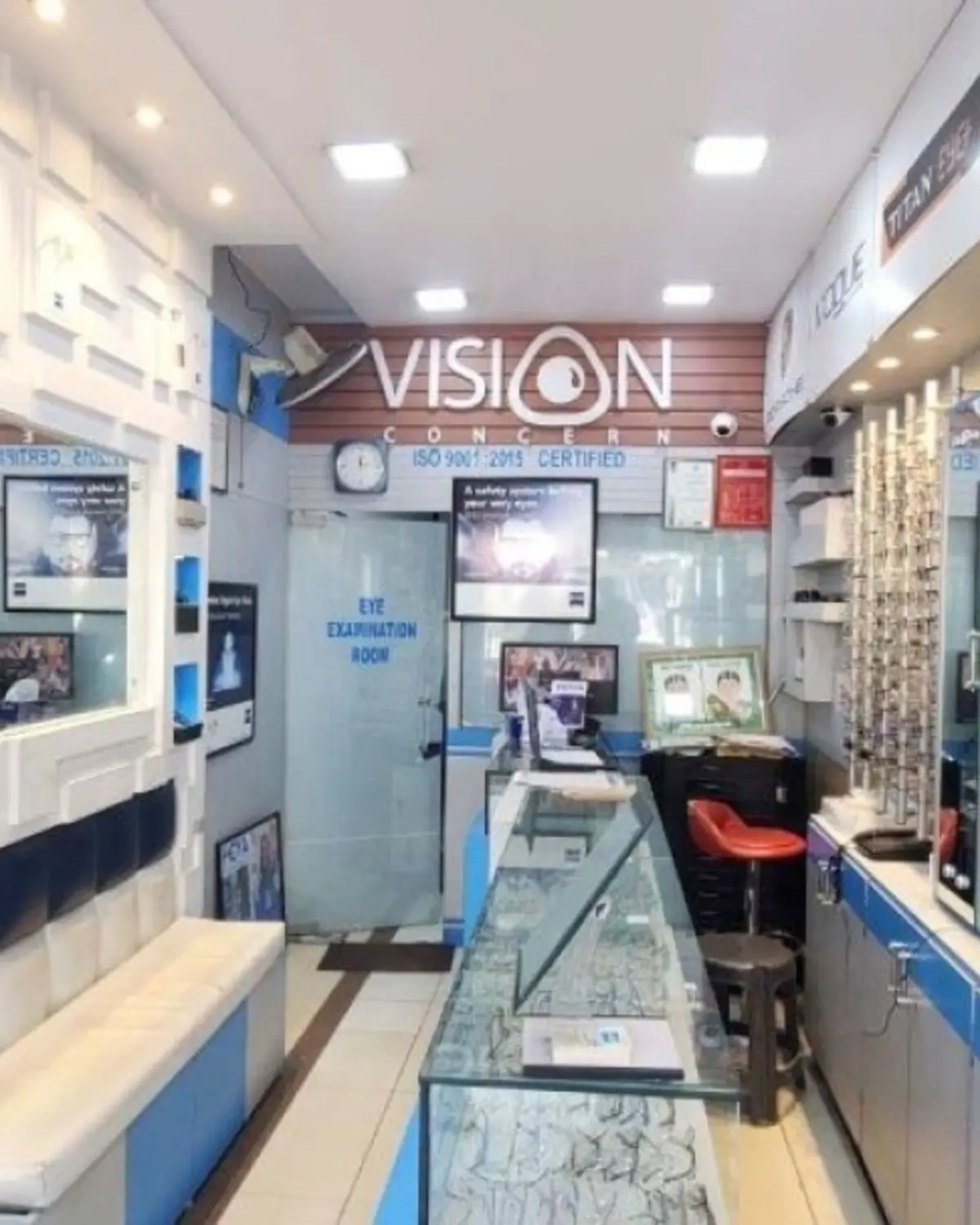
Real Vision Concern eyewear selection near Thamel and Lazimpat

Protection priorities

  • Look for UV400 or 99–100% UVA and UVB protection
  • Choose secure coverage and fit for wind and side exposure
  • Use a brimmed hat alongside suitable sunglasses
  • Carry a protective case and cleaning cloth

Lens choices to discuss

  • Prescription or non-prescription lenses
  • Polarisation for reflected glare where suitable
  • Photochromic limitations inside vehicles and changing conditions
  • Impact resistance, tint and mirror options for the activity

Snow and high-altitude caution

  • Snow can intensify reflected brightness
  • Do not use ordinary sunglasses for direct solar viewing
  • Pain, marked light sensitivity or reduced vision needs assessment
  • Contact-lens wearers should manage dust, water and hygiene carefully
Real professional frame and lens guidance for Nepal trekking
Real Vision Concern service and clinical environment in Kathmandu.

Professional answer

Expensive branding alone does not guarantee appropriate UV protection. Ask for the filtering specification, prescription suitability and frame coverage.

Clinical review and source

Reviewed by Samana Budhathoki, Master in Optometry (P.U.). Updated September 2026.

World Health Organization — UV protection guidance

Educational guidance only; urgent or medical symptoms require appropriate clinical care.