

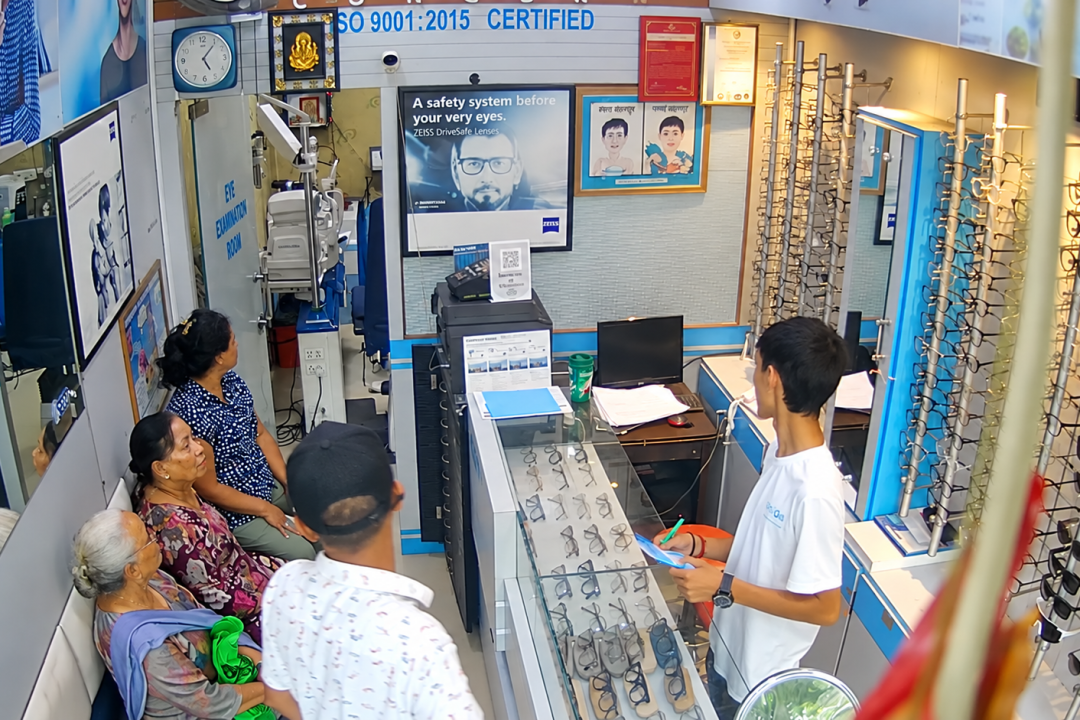
The Complete Guide to Eye Care for Tourists, Expats & Digital Nomads in Kathmandu, Nepal
- The Complete Guide to Eye Care for Tourists, Expats & Digital Nomads in Kathmandu, Nepal
- Why Eye Care is Important While Visiting Nepal
- Who Should Read This Guide?
- Common Eye Problems Tourists Experience in Nepal
- 1. Dry Eyes
- 2. Eye Allergies
- 3. Contact Lens Problems
- 4. Eye Infections
- 5. Broken or Lost Prescription Glasses
- 6. Eye Fatigue After Long Flights
- Simple Tips to Protect Your Eyes During Your Visit
- Eye Care for Digital Nomads and Remote Workers
- Common Symptoms of Digital Eye Strain
- How to Protect Your Eyes While Working
- Eye Protection During Trekking in Nepal
- Eye Risks During Trekking
- Essential Eye Care Checklist for Trekkers
- Travelling with Contact Lenses
- Travel Tips for Contact Lens Wearers
- Emergency Eye Problems That Require Immediate Medical Attention
- Seek Immediate Eye Care If You Experience:
- Replacing Broken Glasses in Kathmandu
- Buying Contact Lenses in Kathmandu
- Why Many International Visitors Choose Vision Concern Eye Clinic
- Our Services Include:
- Frequently Asked Questions
- 1. Can tourists have an eye examination in Kathmandu?
- 2. Can I replace my broken glasses while visiting Nepal?
- 3. Can I buy contact lenses in Kathmandu?
- 4. Is it safe to wear contact lenses while trekking?
- 5. Should I carry my spectacle prescription while travelling?
- 6. Why do my eyes become red while travelling?
- 7. Are sunglasses necessary in Nepal?
- 8. What should I do if I suddenly lose my vision?
- 9. Can children receive an eye examination while travelling?
- 10. Do digital nomads need regular eye examinations?
- Travel Eye Care Checklist
- Why Early Eye Care Matters
- Conclusion
- Visit Vision Concern Eye Clinic & Optical
- Useful Eye-Care Links for International Visitors
- Shop Relevant Products
- Turn this information into a personal eye-care plan
Travelling in Nepal and need glasses or contact lenses fast?
Send a photo of your prescription or old glasses on WhatsApp — we reply within minutes with price and ready time. Eye exam US$3, by appointment; glasses often ready the same day. Optical shops in Lazimpat (near Thamel) & Boudha open daily 8 AM – 8:30 PM. Card & cash accepted.
WhatsApp my prescription
Replies within minutes Tourist eye care

Whether you're visiting Nepal for trekking, business, remote work, or cultural exploration, clear vision is essential for enjoying your journey. Unfortunately, unexpected eye problems such as broken glasses, lost contact lenses, eye infections, allergies, dry eyes, or digital eye strain can quickly interrupt your travel plans.
Kathmandu has become one of South Asia's fastest-growing destinations for tourists, expatriates, embassy staff, international students, volunteers, and digital nomads. With changing weather, high ultraviolet (UV) exposure, dusty roads, and long hours spent outdoors or in front of digital screens, protecting your eyes is more important than ever.
This complete guide explains the most common eye problems visitors experience in Nepal, practical tips to protect your vision, and where to find professional eye care if you need assistance during your stay.
Why Eye Care is Important While Visiting Nepal
Nepal offers breathtaking landscapes and unforgettable experiences, but its environment can also place extra stress on your eyes. From busy city streets to high-altitude trekking routes, your eyes are constantly exposed to conditions that may cause discomfort or even serious eye problems.
Some of the most common causes of eye discomfort while travelling include:
- Dust and air pollution
- Strong ultraviolet (UV) radiation
- Dry mountain air
- Long international flights
- Air-conditioned hotels and vehicles
- Extended screen time
- Contact lens overuse
- Seasonal allergies
Understanding these risks helps travellers take preventive measures and seek professional care before minor problems become serious.
Who Should Read This Guide?
This guide is especially useful for:
- International tourists visiting Nepal
- Digital nomads working remotely in Kathmandu
- Expatriates living in Nepal
- Embassy staff and diplomats
- International students
- Volunteers and NGO professionals
- Trekkers and adventure travellers
- Business travellers
Common Eye Problems Tourists Experience in Nepal
1. Dry Eyes
Dry eye is one of the most common complaints among visitors. Long flights, dry air, pollution, and extended exposure to wind can reduce the natural tear film, leading to discomfort.
Common symptoms include:
- Burning sensation
- Stinging eyes
- Blurred vision
- Excessive watering
- Eye fatigue
- Foreign body sensation
Using preservative-free lubricating eye drops, drinking enough water, and limiting unnecessary screen time can significantly improve symptoms.
2. Eye Allergies
Dust, pollen, smoke, and environmental allergens may trigger allergic conjunctivitis, particularly during seasonal changes in Kathmandu.
Symptoms include:
- Red eyes
- Itching
- Watery eyes
- Swollen eyelids
- Burning sensation
Avoid rubbing your eyes, wear sunglasses outdoors, and seek professional advice if symptoms continue for more than a few days.
3. Contact Lens Problems
Many travellers continue wearing contact lenses during trekking, sightseeing, and long travel days. Dusty environments and poor hygiene can increase the risk of eye irritation and infection.
Possible problems include:
- Dry eyes
- Lens discomfort
- Redness
- Corneal infection
- Blurred vision
Daily disposable contact lenses are generally recommended while travelling because they reduce the risk of contamination.
4. Eye Infections
Eye infections may develop from contaminated contact lenses, poor hand hygiene, swimming, or exposure to bacteria and viruses.
Common symptoms include:
- Eye redness
- Pain
- Sticky discharge
- Blurred vision
- Light sensitivity
Do not use leftover eye drops or medications without professional advice. Early diagnosis can prevent more serious complications.
5. Broken or Lost Prescription Glasses
Broken spectacles are among the most common emergencies reported by international travellers. Whether your glasses break during trekking, airport travel, or sightseeing, finding a reliable eye clinic capable of performing an eye examination and arranging replacement glasses is essential.
If possible, always carry a backup pair of glasses and keep a digital copy of your spectacle prescription.
6. Eye Fatigue After Long Flights
International flights often expose passengers to extremely dry cabin air, reduced blinking, and long hours of reading or watching digital screens.
Many travellers notice:
- Tired eyes
- Dryness
- Difficulty focusing
- Headaches
- Temporary blurred vision
Artificial tears, adequate hydration, and regular breaks from digital devices can help your eyes recover after long-distance travel.
Simple Tips to Protect Your Eyes During Your Visit
- Wear UV400 sunglasses outdoors.
- Drink plenty of clean water.
- Avoid rubbing your eyes.
- Carry lubricating eye drops.
- Wash your hands before touching your eyes.
- Take regular breaks from digital screens.
- Bring a spare pair of prescription glasses.
- Carry your spectacle prescription in digital form.
- Use protective eyewear during trekking and cycling.
- Seek professional eye care if symptoms worsen.
Eye Care for Digital Nomads and Remote Workers
Kathmandu has become a popular destination for digital nomads, freelancers, entrepreneurs, and remote workers from around the world. With affordable living costs, excellent cafés, coworking spaces, and beautiful surroundings, many professionals spend long hours working on laptops and digital devices.
Unfortunately, prolonged screen time often leads to Digital Eye Strain, also known as Computer Vision Syndrome.
Common Symptoms of Digital Eye Strain
- Headaches
- Blurred vision
- Dry eyes
- Difficulty focusing
- Eye fatigue
- Neck and shoulder pain
- Light sensitivity
- Burning sensation in the eyes
Most adults blink approximately 15–20 times per minute. While using computers or smartphones, this may reduce to only 5–7 blinks per minute, causing the eyes to dry out much faster.
How to Protect Your Eyes While Working
- Follow the 20-20-20 Rule by looking 20 feet away for 20 seconds every 20 minutes.
- Adjust your monitor slightly below eye level.
- Increase font size instead of leaning closer to the screen.
- Maintain proper room lighting to reduce glare.
- Use lubricating eye drops if recommended by your eye care professional.
- Consider blue light filtering lenses if you spend long hours using digital devices.
Eye Protection During Trekking in Nepal
Nepal is home to some of the world's most spectacular trekking destinations, including Everest Base Camp, Annapurna Circuit, Langtang Valley, and Manaslu. However, trekking at higher altitudes exposes your eyes to much stronger ultraviolet radiation than at sea level.
Without proper protection, prolonged exposure may increase the risk of eye discomfort and temporary vision problems.
Eye Risks During Trekking
- Strong UV radiation
- Snow glare
- Dust and wind
- Dry mountain air
- Foreign particles entering the eyes
- Temporary dry eye symptoms
Essential Eye Care Checklist for Trekkers
- UV400 sunglasses
- Polarized sunglasses for snow reflection
- Backup prescription glasses
- Artificial tears
- Lens cleaning cloth
- Protective eyewear during windy conditions
- Contact lens solution and spare lenses
If you experience severe eye pain, sudden vision changes, persistent redness, or sensitivity to light while trekking, seek professional eye care immediately.
Travelling with Contact Lenses
Contact lenses provide excellent convenience during travel, but they also require proper care. Dusty environments and limited hygiene facilities may increase the risk of eye infections.
Travel Tips for Contact Lens Wearers
- Wash your hands before touching your lenses.
- Carry extra contact lenses.
- Bring additional cleaning solution.
- Use fresh solution every day.
- Never rinse lenses with tap water.
- Avoid sleeping while wearing contact lenses unless specifically prescribed.
- Replace damaged or uncomfortable lenses immediately.
If your eyes become painful, excessively red, or your vision becomes blurry, remove your contact lenses immediately and arrange a professional eye examination.
Emergency Eye Problems That Require Immediate Medical Attention
Some eye problems should never be ignored. Early treatment may help protect your vision and prevent permanent complications.
Seek Immediate Eye Care If You Experience:
- Sudden loss of vision
- Severe eye pain
- Chemical injury
- Eye trauma
- Flashes of light
- Sudden increase in floaters
- Double vision
- Persistent redness with blurred vision
- Severe light sensitivity
- Foreign object inside the eye
Avoid attempting to remove embedded objects yourself. Cover the affected eye gently and seek professional medical attention immediately.
Replacing Broken Glasses in Kathmandu
Broken or lost prescription glasses can disrupt your travel plans. Whether your spectacles were damaged during trekking, sightseeing, business meetings, or airport travel, professional assistance is available.
Depending on your prescription and lens availability, many standard prescription glasses can be prepared quickly, allowing you to continue your trip with minimal interruption.
Visitors requiring high-index lenses, progressive lenses, or specialty prescriptions should allow additional processing time.
Buying Contact Lenses in Kathmandu
If you forget your contact lenses or run out during your visit, professionally fitted replacement lenses are available.
Available options may include:
- Daily disposable lenses
- Monthly disposable lenses
- Toric contact lenses for astigmatism
- Multifocal contact lenses
- Coloured cosmetic contact lenses
- Contact lens cleaning solutions
- Lens storage cases
Always purchase contact lenses from qualified eye care professionals to ensure correct fitting and eye health.
Why Many International Visitors Choose Vision Concern Eye Clinic
Vision Concern Eye Clinic provides professional eye care services for tourists, expatriates, international students, embassy staff, diplomats, business travellers, and local residents across Kathmandu.
Our experienced optometrists combine modern diagnostic technology with personalised care to help patients receive accurate eye examinations and appropriate treatment recommendations.
Our Services Include:
- Comprehensive Eye Examination
- Digital Eye Strain Assessment
- Dry Eye Evaluation
- Prescription Glasses
- Same-Day Glasses for Selected Prescriptions
- Progressive Lenses
- Blue Light Glasses
- Contact Lens Fitting
- Children's Eye Examination
- Sunglasses with UV Protection
- Emergency Eye Consultation
- Premium ZEISS and HOYA Lenses
Our goal is to help every visitor enjoy Nepal with clear, comfortable vision and professional eye care whenever it is needed.
Frequently Asked Questions
1. Can tourists have an eye examination in Kathmandu?
Yes. Tourists, expatriates, international students, and business travellers can receive a comprehensive eye examination without requiring a referral. An eye examination helps determine your prescription and identify eye conditions that may require treatment.
2. Can I replace my broken glasses while visiting Nepal?
Yes. Depending on your prescription and lens availability, many standard prescription glasses can be prepared quickly. High-index, progressive, or specialty lenses may require additional processing time.
3. Can I buy contact lenses in Kathmandu?
Yes. Daily disposable, monthly, toric, multifocal, and coloured contact lenses are available after a professional eye examination and contact lens assessment.
4. Is it safe to wear contact lenses while trekking?
Yes, but daily disposable contact lenses are generally recommended because they reduce the risk of dust contamination and infection. Always carry spare lenses and cleaning solution.
5. Should I carry my spectacle prescription while travelling?
Absolutely. Keeping a digital copy of your prescription on your phone makes replacing lost or damaged glasses much easier during your trip.
6. Why do my eyes become red while travelling?
Eye redness may occur because of dry air, dust, allergies, contact lens irritation, lack of sleep, or eye infection. Persistent redness associated with pain or blurred vision should always be examined by an eye care professional.
7. Are sunglasses necessary in Nepal?
Yes. Nepal experiences strong ultraviolet (UV) exposure, particularly during trekking and high-altitude travel. Wearing UV400 sunglasses helps protect your eyes from harmful UV rays and reduces glare.
8. What should I do if I suddenly lose my vision?
Sudden vision loss is a medical emergency. Seek immediate professional eye care without delay, as early treatment may help preserve your eyesight.
9. Can children receive an eye examination while travelling?
Yes. Children experiencing eye pain, blurred vision, redness, excessive tearing, or headaches should receive a comprehensive eye examination as soon as possible.
10. Do digital nomads need regular eye examinations?
Yes. Individuals who spend long hours using computers should have regular eye examinations to monitor vision changes and reduce symptoms of digital eye strain.
Travel Eye Care Checklist
Before travelling to Nepal, consider packing the following eye care essentials:
- Prescription glasses
- A spare pair of spectacles
- Contact lenses
- Extra contact lens solution
- Artificial tear eye drops
- UV400 sunglasses
- Lens cleaning cloth
- A digital copy of your spectacle prescription
- Protective eyewear for trekking or cycling
- Basic eye medications prescribed by your doctor
Preparing these essentials before your journey can help prevent unnecessary inconvenience during your stay in Nepal.
Why Early Eye Care Matters
Many eye problems begin with mild symptoms such as dryness, redness, irritation, or blurred vision. Ignoring these warning signs may allow the condition to worsen and affect your travel experience.
Early diagnosis and professional treatment can help protect your vision, relieve discomfort, and reduce the risk of long-term complications. Whether the problem is minor or urgent, timely eye care provides peace of mind while travelling.
Conclusion
Nepal offers unforgettable experiences, from exploring Kathmandu's rich cultural heritage to trekking through the breathtaking Himalayas. Protecting your vision should be an important part of every travel plan.
Simple precautions such as wearing UV-protective sunglasses, staying hydrated, practising good contact lens hygiene, taking regular screen breaks, and carrying a spare pair of glasses can prevent many common eye problems.
If you experience eye pain, redness, blurred vision, broken glasses, lost contact lenses, or any sudden change in your vision, seeking professional eye care promptly can help keep your journey safe and enjoyable.
At Vision Concern Eye Clinic & Optical, we are committed to providing professional, compassionate, and timely eye care for tourists, expatriates, digital nomads, embassy staff, international students, business travellers, and local residents throughout Kathmandu.
Whether you need a comprehensive eye examination, replacement glasses, contact lenses, progressive lenses, blue light glasses, or emergency eye care, our experienced team is here to help you see Nepal with confidence.
Visit Vision Concern Eye Clinic & Optical
Your Vision, Our Concern.
Our Branches:
- Lazimpat, Kathmandu
- Boudha-Tushal, Kathmandu
- Makalbari-Gokarna, Kathmandu
Phone: +9779841466716 | 01-4562303
Website: https://visionconcern.com
Book your appointment today and let our experienced eye care professionals help you enjoy a clearer, more comfortable experience in Nepal.
Useful Eye-Care Links for International Visitors
Tourist & Expat Eye Care | Lazimpat near Thamel | Boudha near Boudhanath
Emergency Optician | Same-Day Prescription Glasses
WhatsApp/Viber +9779841466716 before visiting
Replies within minutes
Shop Relevant Products
Ready to compare suitable options? View the related Vision Concern products below. Prescription and contact-lens suitability should be confirmed professionally.
Travelling in Nepal and need glasses or contact lenses fast?
Send a photo of your prescription or old glasses on WhatsApp — we reply within minutes with price and ready time. Eye exam US$3, by appointment; glasses often ready the same day. Optical shops in Lazimpat (near Thamel) & Boudha open daily 8 AM – 8:30 PM. Card & cash accepted.
WhatsApp my prescription
Replies within minutes Tourist eye care
Turn this information into a personal eye-care plan
If this topic relates to your symptoms or vision, book an eye assessment at Vision Concern. Share your main concern when booking so the team can confirm the appropriate appointment or referral.
Book an eye assessment Ask about appointment times on WhatsApp
Replies within minutes See eye examination details
Replies within minutes
Yes. Many visitors, particularly from Bangladesh and West Bengal (Kolkata), come to Nepal for cataract, retina, or other eye surgery at a hospital and also want new glasses, a general eye exam, or contact lenses at the same time, before or after their procedure. Vision Concern is an optical and eye-examination clinic, not a surgical hospital, so we work alongside hospitals such as Tilganga: we are happy to see you for glasses, contact lenses, or a routine check-up either side of your surgical treatment elsewhere.
No conversion is needed. Eyeglass prescriptions from Germany, France, the UK, the USA, China, Russia, and almost every other country use the same international format, SPH (sphere), CYL (cylinder), and AXIS, measured in diopters. Our opticians read this directly, so you can bring your prescription paper, a photo of it on your phone, or simply your current glasses, and we will use the same values. If your prescription is more than a year or two old, we recommend a quick, free re-check before we make your new pair.
Yes. Above roughly 3,000 metres, UV exposure increases sharply because of the thinner atmosphere and reflection off snow, and ordinary sunglasses (category 2-3) do not block enough UV to prevent snow blindness (photokeratitis). We recommend glacier glasses or category-4 sunglasses with side shields, and can fit these with your own prescription if needed. Vision Concern offers ZEISS polarized, UV400-certified sunglasses with prescription lenses, which we can prepare before you set off on your trek.