

G Google patient review
View Google reviews ↗
★★★★★
“Wonderful service, excellent price! Friendly staff.”David DeVooght · USA
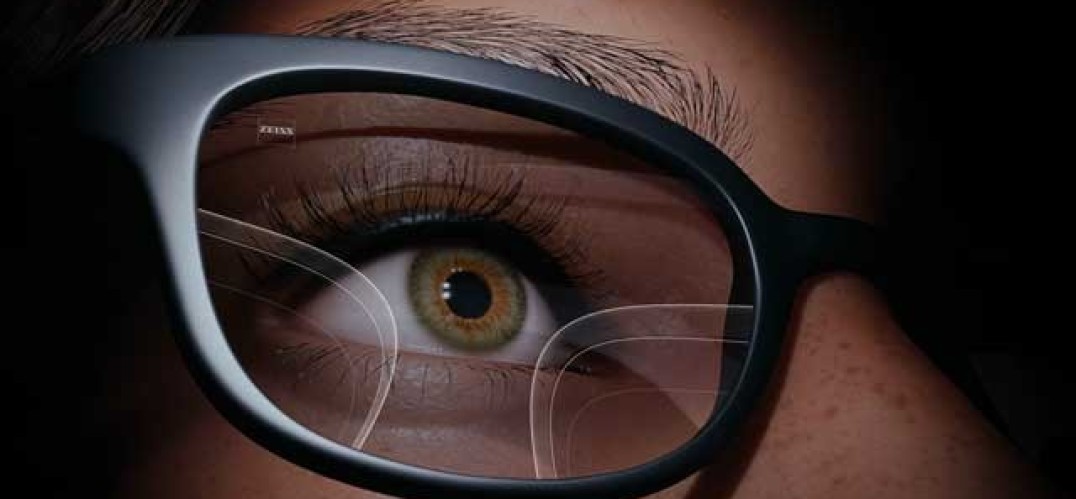
Are thick, heavy prescription lenses affecting the comfort or appearance of your glasses? Vision Concern Eye Clinic and Optical provides high-index ultra-thin prescription lenses in Kathmandu for customers with moderate, strong and very high prescriptions.
Updated: 3 October 2026
Send your prescription and chosen frame details. The team can compare the material or index, lens design and coating for your order and provide an itemised quote.
Match the prescription, frame, brand, index, design and coating in both quotations. Ask the team to explain the expected result for the chosen combination before paying.
Confirm the exact product or service, complete price and availability with Vision Concern before ordering or visiting.
High-index lenses are made from advanced materials that bend light more efficiently than ordinary plastic lenses. This allows suitable prescriptions to be produced with a thinner and more refined lens profile.
We provide professional eye examinations, prescription verification, frame consultation and precise optical measurements for single-vision, progressive, photochromic and premium high-index lenses.
Our optical team serves local customers, professionals, expatriates, diplomats, tourists, trekkers, international students and families through Vision Concern branches in Boudha, Lazimpat and Makalbari.
Call or WhatsApp: +9779841466716
Replies within minutes
High-index lenses are prescription lenses manufactured from materials with a higher refractive index than standard plastic. A higher refractive index means the material can bend light more effectively, allowing the required prescription to be produced using less lens material.
For suitable prescriptions, this may result in lenses that are:
The final thickness does not depend on the lens index alone. Your prescription, frame size, frame shape, pupillary distance, optical-centre position and lens design all influence the finished result.
High-index lenses may be recommended when ordinary lenses would become thick, heavy or cosmetically noticeable.
They may be suitable for:
High-index lenses are not automatically necessary for every prescription. Our team recommends the most appropriate material after considering prescription strength, frame selection, visual requirements and budget.
Different high-index materials are available for different prescription ranges. Availability may vary according to brand, lens design, coating and laboratory requirements.
A 1.60 high-index lens can be a good option for mild to moderately strong prescriptions. It is generally thinner than standard plastic and can provide a useful balance of clarity, thickness, durability and price.
It may be suitable for:
A 1.67 lens is often selected for stronger prescriptions where additional thickness reduction is desired.
It may be suitable for:
A 1.74 high-index lens is one of the thinnest commonly available plastic prescription-lens options. It may be recommended for strong prescriptions when lens thickness and appearance are major concerns.
It may be suitable for:
TOKAI is internationally recognised for its 1.76 ultra-high-index plastic lens material. It is designed for suitable customers who require one of the thinnest available plastic prescription-lens options.
TOKAI 1.76 may be considered for:
The highest lens index is not always the best choice for every customer. Vision Concern will compare the benefits of 1.60, 1.67, 1.74 and TOKAI 1.76 according to your prescription and frame.
Myopia, also called short-sightedness or near-sightedness, causes distant objects to appear blurred. Strong minus prescriptions can produce lenses with thick outer edges, especially when fitted into large frames.
High-index materials can help reduce visible edge thickness. However, choosing the correct frame is equally important.
Our optical team helps high-myopia customers select frames that improve both appearance and comfort.
Strong plus lenses are generally thicker in the centre. Depending on the prescription and frame, they may also magnify the appearance of the eyes.
A suitable high-index material and carefully selected frame may help reduce centre thickness and improve the overall appearance of the glasses.
For strong plus prescriptions, accurate measurements and appropriate frame dimensions are particularly important. Our team will assess the frame before confirming the final lens order.
Single-vision lenses contain one prescription across the entire lens. They may be prescribed for distance vision, reading, computer use or another specific working distance.
High-index single-vision lenses may be suitable for:
Depending on your prescription, Vision Concern may recommend an aspheric or digitally designed lens to improve appearance and visual performance.
Progressive lenses provide distance, intermediate and near vision within one pair of glasses. Customers with strong prescriptions may benefit from combining a progressive design with an appropriate high-index material.
High-index progressive lenses may help create:
Progressive lenses require accurate pupillary-distance measurements, fitting heights, frame adjustment and lens positioning. Vision Concern performs personalised measurements before ordering your lenses.
Aspheric lenses use a flatter and more advanced surface design than conventional spherical lenses. For suitable prescriptions, this may reduce the bulky appearance of the lens and provide a more natural-looking profile.
Digitally designed lenses can be optimised using prescription, frame and fitting measurements. Depending on the selected product, this may support better visual performance across the lens.
Our team will explain whether a conventional, aspheric or personalised digital lens is appropriate for your needs.
High-index materials can produce more surface reflections than standard lenses. For this reason, a premium anti-reflective coating is usually recommended.
A suitable coating may help:
Available coating options depend on the selected lens brand, material and design.
Photochromic high-index lenses are designed to remain clear or nearly clear indoors and darken outdoors when exposed to suitable ultraviolet light.
They may be useful for customers who want:
Photochromic lenses may not become as dark inside a vehicle because many windscreens block ultraviolet light. Customers who drive frequently may also consider prescription sunglasses or dedicated driving lenses.
High-index lenses may also be available with anti-reflective or blue-light-management options. These may be considered by customers who spend long hours using computers, smartphones and other digital devices.
The correct prescription, viewing distance, lighting and screen habits are important for digital comfort. Blue-light features should not replace regular breaks or an appropriate eye examination.
Vision Concern provides premium international prescription-lens options, including ZEISS German lenses and TOKAI Japanese lenses, subject to prescription and product availability.
ZEISS offers premium single-vision, progressive and digitally designed prescription lenses with advanced coating and personalisation options.
TOKAI is known for Japanese lens technology and ultra-high-index options, including its 1.76 lens material for suitable high prescriptions.
The best brand and product depend on your prescription, visual needs, lens design, preferred coating and budget. Our team will explain the available options without recommending a higher index unnecessarily.
Losing or damaging strong prescription glasses while travelling can create a serious inconvenience. Vision Concern regularly assists tourists, expatriates, diplomats and international visitors who need replacement prescription glasses in Kathmandu.
Our international customer services include:
Completion time depends on the prescription, lens material, design, coating and laboratory availability. Travellers should contact us before visiting and share their prescription and departure date.
Choosing an eye clinic or optician in another country can be difficult. Before booking your eye examination or ordering high-index prescription glasses, read experiences shared by tourists, expatriates and local patients who visited Vision Concern.
Tripadvisor reviews can help international customers learn more about our eye examinations, prescription glasses, progressive lenses, contact lenses, staff communication and customer service.
Read Boudha Branch Reviews on Tripadvisor
Read Lazimpat Branch Reviews on Tripadvisor
Read Makalbari Branch Reviews on Tripadvisor
Have you received an eye examination, high-index lenses, progressive glasses, prescription sunglasses or contact-lens service from Vision Concern?
We welcome your honest review on Tripadvisor. Genuine customer experiences help tourists, expatriates and local patients confidently choose reliable eye care in Kathmandu.
Address: Boudha–Tushal, opposite KFC, Kathmandu
Telephone: 01-4562303
Address: Das Tower, Lazimpat, near Radisson Hotel, Kathmandu
Telephone: 01-4543117
Address: Pragati Chowk, Makalbari, Gokarneshwor
Telephone: 01-5134042
WhatsApp, Viber and Mobile: +9779841466716
Replies within minutes
Email: booking@visionconcern.com
Website: www.visionconcern.com
Opening hours: 8:00 AM–8:30 PM, seven days a week
Parking available.
High-index lenses are made from materials that bend light more efficiently than ordinary plastic. This can help produce thinner lenses for suitable prescriptions.
TOKAI 1.76 is one of the highest-index plastic lens materials available. However, the best option depends on your prescription, frame and visual requirements.
For the same prescription, design and frame, a 1.74 lens will generally be thinner than a 1.67 lens. The actual difference depends on the prescription and frame dimensions.
High-index lenses may be useful when your prescription would otherwise produce thick or heavy lenses. Our team will recommend an appropriate index after reviewing your prescription and selected frame.
They can reduce the amount of material required, which may help produce a lighter lens. The final weight also depends on the frame, lens size and prescription.
Yes. Progressive lenses can be produced in high-index materials for suitable prescriptions and frame designs.
Anti-reflective coating is strongly recommended because high-index materials can produce more surface reflections than standard lenses.
The lens material for a child should be selected according to prescription, safety, impact resistance, frame and lifestyle. An eye-care professional should recommend the most suitable option.
Yes. Vision Concern regularly assists tourists and expatriates. Completion time depends on the prescription, lens material and laboratory availability.
Yes. Send a clear copy of your prescription to +9779841466716
Replies within minutes. An updated eye examination may be recommended when the prescription is old or incomplete.
It may be possible if the frame is in good condition and suitable for your prescription. The frame must be physically inspected before the order is confirmed.
The price depends on the prescription, index, brand, design, coating and customisation. Send your prescription through WhatsApp or visit Vision Concern for an accurate quotation.
Completion time depends on prescription, lens index, brand, design, coating and laboratory availability. Customized progressive and very high-index lenses may require additional time.
Get professional advice on the most suitable lens index, frame, design and coating for your prescription.
Call or WhatsApp: +9779841466716
Replies within minutes
Branches: Boudha | Lazimpat | Makalbari
Vision Concern Eye Clinic and Optical
Your Vision, Our Concern.
Ready to compare suitable options? View the related Vision Concern products below. Prescription and contact-lens suitability should be confirmed professionally.
View catalogue-listed TOKAI lens options and request professional prescription review and fitting at Vision Concern.
Ask Vision Concern about lens suitability
Replies within minutes
Last updated: 3 October 2026
Share your prescription and the way you use your glasses. Vision Concern can confirm suitable frame and lens options, with an itemised quote and expected collection timing, so you can make your purchase with the details in hand.
Visiting Nepal or comparing with a quote in your home country? Send the same product specification and quantity. Compare the complete Nepal quote in NPR, including fitting and any applicable delivery, currency-conversion or customs costs. Confirm availability and timing against your travel dates before paying.
Book a glasses consultation Ask for a complete price on WhatsApp
Replies within minutes Explore prescription glasses
Replies within minutes
Send the full prescription and chosen frame details. Ask for the lens index, brand, model, coating and whether the amount is for one lens or a pair. Confirm fitting charges, stock or order status and expected collection timing before comparing prices.
Ask the team to compare appropriate options for your prescription and frame size. Request the specification and total price for each option, rather than assuming the highest index is automatically the best choice. Bring the actual frame when measurements or fitting checks are needed.
Choose an appointment · Confirm the branch, price and availability on WhatsApp
Replies within minutes
Read genuine patient feedback, then scan or tap a trusted platform to view current reviews or share your experience.
“Wonderful service, excellent price! Friendly staff.”David DeVooght · USA
“Professional, knowledgeable and very helpful.”lokraj p · June 2026
Check independent patient feedback and current clinic information on WhatClinic.
Review totals and ratings may change; the linked platforms show the latest information.

Welcome to Vision Concern in Kathmandu, Nepal.
Get appointment · Our locations · WhatsApp