




G Google patient review
View Google reviews ↗
★★★★★
“Wonderful service, excellent price! Friendly staff.”David DeVooght · USA
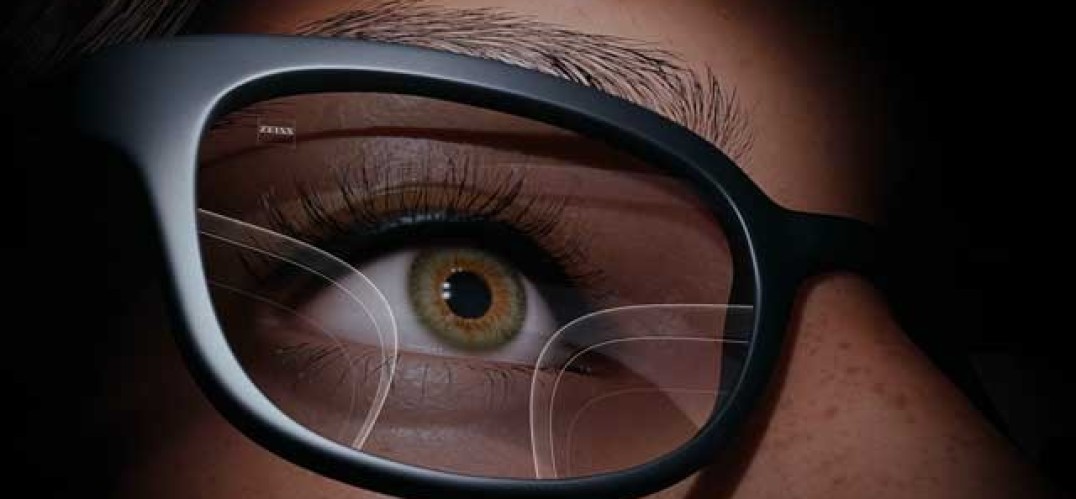
Need one pair of glasses for distance, computer work and reading? Vision Concern Eye Clinic and Optical provides professional consultation, precise measurements and premium progressive lenses in Kathmandu for customers experiencing presbyopia or difficulty focusing at different distances.
Updated: 3 October 2026
Compare the exact brand and progressive design, material or index, coating and prescription specification. Ask which measurements and fitting services are included in the complete quote.
Bring your current glasses and prescription, and describe your distance, computer and reading needs. This service provides consultation and measurements for progressive lenses; confirm the selected option before ordering.
Confirm the exact product or service, complete price and availability with Vision Concern before ordering or visiting.
Quick answer: Vision Concern offers progressive-lens consultation and fitting in Kathmandu for distance, computer and reading needs. Compare current lens options and listed prices in our optical lens price catalogue, then request a complete quote for your prescription, lens design, coating and frame. The comprehensive eye examination is NPR 400 by appointment. Production and collection times depend on the selected lenses, prescription and availability; confirm your collection date before ordering.
Compare a complete progressive-glasses quote: Review progressive price ranges · Explore ZEISS progressive fitting · Book measurements. Send your prescription and intended frame on WhatsApp
Replies within minutes for a tailored quote.
Our experienced optical team helps local customers, professionals, doctors, executives, diplomats, expatriates, tourists and international visitors choose suitable progressive lenses according to prescription, frame, occupation, digital-device use, driving needs and lifestyle.
We provide premium progressive-lens options from internationally recognised brands including ZEISS, HOYA and TOKAI, subject to prescription and product availability, through our branches in Boudha, Lazimpat and Makalbari.
All three Vision Concern branches are open daily, including Saturday, from 8:00 AM to 8:30 PM. Book ahead to confirm optometrist availability for your eye examination and fitting.
Parking is available at all branches. Bring your current glasses, prescription and preferred frame. If travelling, share your departure date before placing your order.
Vision Concern uses an autorefractor as part of prescription assessment and takes fitting measurements manually. Prescription assessment and frame-fitting measurements are separate steps. The team checks the frame fit and records the measurements needed for the selected lens design.
Book a progressive-lens fitting · Ask for a complete quote on WhatsApp
Replies within minutes
Replies within minutes
Progressive lenses, also called no-line multifocal lenses or varifocal lenses, contain multiple viewing zones within one lens. They provide distance vision in the upper area, intermediate vision in the middle and near vision in the lower area.
Unlike traditional bifocals, progressive lenses do not have a visible dividing line. This gives the glasses a modern appearance and allows the wearer to move gradually between different viewing distances.
Progressive lenses are commonly recommended for people over 40 who develop presbyopia, a natural age-related reduction in near focusing ability.
For meetings, computers, documents, driving and everyday activities.
For distance vision, dashboard viewing and navigation without changing glasses.
For computer screens, documents and interaction across the desk.
For convenient all-distance vision while travelling, working or living in Nepal.
For books, menus, phones, documents and near tasks.
For customers who currently switch between distance and reading pairs.
The upper portion of the lens is used for distance vision, such as walking, driving, watching television or recognising faces.
The middle portion supports arm’s-length tasks such as computer screens, dashboards, kitchen work and conversation across a table.
The lower portion is used for reading, mobile phones, menus, documents and other close activities.
The exact size and comfort of these zones depend on the progressive-lens design, prescription, frame, fitting measurements and individual visual habits.
| Feature | Progressive Lenses | Bifocal Lenses |
|---|---|---|
| Visible dividing line | No | Yes |
| Distance vision | Yes | Yes |
| Intermediate vision | Available | Usually limited |
| Near vision | Yes | Yes |
| Appearance | Modern, no visible line | Visible reading segment |
ZEISS offers advanced progressive designs that can be personalised according to prescription, frame and lifestyle. Options may include solutions for general use, digital lifestyles and driving.
Explore our ZEISS Prescription Lenses in Kathmandu.
HOYA progressive lenses offer personalised design options for different wearer needs, frame choices and visual priorities.
TOKAI provides Japanese progressive-lens technology and high-index options for suitable prescriptions.
Explore our TOKAI Japanese Lenses.
For stronger prescriptions, high-index materials may help reduce thickness and improve appearance.
Explore our High-Index Ultra-Thin Prescription Lenses.
Standard progressive lenses are designed for general use, but some customers spend most of the day at a desk. Office or workspace lenses can provide wider intermediate and near zones for computers, documents and meetings.
An office lens is usually not intended for driving or full-distance use. It may be recommended as a second pair for work while standard progressive glasses are used for general daily activities.
Explore our Blue Light Glasses and Computer Lenses.
Driving requires clear distance vision, comfortable dashboard viewing and rapid shifts between mirrors, road signs and navigation systems.
Depending on your prescription and driving habits, our team may recommend a progressive design with suitable distance and intermediate performance, premium anti-reflective coating or dedicated driving-lens technology.
Ask about ZEISS DriveSafe and other premium driving options during your consultation.
Progressive lenses are highly dependent on accurate fitting. Small measurement or frame-position errors can reduce comfort and usable vision.
Important measurements and fitting factors include:
Vision Concern takes personalised measurements and checks the frame before ordering progressive lenses.
Most wearers adapt successfully, but the adjustment period varies. New users may initially notice peripheral blur or need time to learn how to point the nose toward the object they want to see.
If significant discomfort continues, our team can recheck prescription, measurements, frame fit and lens positioning.
Vision Concern provides English-speaking progressive-lens consultation for tourists, diplomats, expatriates, business travellers and international residents in Kathmandu.
If your progressive glasses are lost or damaged, send your current prescription, previous lens details, frame photo and departure date through WhatsApp before visiting.
Customised progressive lenses may require additional production time, so travellers should contact us as early as possible.
Explore our dedicated Eye Care for Tourists and Expats page.
Explore short videos, lens information, clinic updates and eye-care education through Vision Concern’s official channels.
Accurate prescription assessment before lens selection.
Personalised fitting for progressive-lens performance.
ZEISS, HOYA and TOKAI options, subject to availability.
Guidance on frame size, fit and suitability.
Boudha, Lazimpat and Makalbari.
Frame fitting and support during adaptation.
Progressive lenses provide distance, intermediate and near vision in one lens without a visible bifocal line.
They are commonly prescribed for people over 40 who have difficulty focusing on near objects while also requiring distance correction.
Adaptation varies from person to person. Many wearers adjust within several days, while some may need longer.
Premium designs may provide wider usable zones, greater personalisation and improved comfort, depending on prescription and fitting.
Yes. However, customers who spend most of the day at a desk may also benefit from a separate office or workspace lens.
Yes. Properly prescribed and fitted progressive lenses can support distance and dashboard vision.
Yes. High-index materials may be considered to reduce lens thickness for suitable strong prescriptions.
Yes. Vision Concern serves tourists and expats, although customised lenses may require additional production time.
Yes. Send a clear prescription copy and previous lens details to +9779841466716
Replies within minutes.
Read patient experiences on Google, Tripadvisor and WhatClinic. Select your preferred branch and scan the QR code or open the review platform.
Send your prescription or visit Vision Concern for professional measurements, frame guidance and personalised progressive-lens recommendations.
Compare selected progressive-lens options below. Prescription suitability, fitting measurements, lens quantity and the complete fitted price should be confirmed professionally before ordering.
View catalogue-listed TOKAI lens options and request professional prescription review and fitting at Vision Concern.
Ask Vision Concern about lens suitability
Replies within minutes
Progressive glasses in Kathmandu
Bring your prescription and current glasses, and tell us about reading, screen work, driving and your budget. Compare the exact progressive design, lens index, coating and frame, with fitting measurements and applicable aftercare or warranty terms confirmed in writing. Accurate pupil distance and fitting height matter for comfortable use. Visitors should send travel dates before ordering so laboratory and collection timing can be checked. Compare any home-country quote using the same specification and complete fitted price.
Available at Vision Concern Lazimpat near Radisson Hotel, Boudha-Tushal opposite KFC and Makalbari at Pragati Chowk near Sanopul. Parking is available at all branches. Product availability, preparation time and final price must be confirmed before ordering.
Read genuine patient feedback, then scan or tap a trusted platform to view current reviews or share your experience.
“Wonderful service, excellent price! Friendly staff.”David DeVooght · USA
“Professional, knowledgeable and very helpful.”lokraj p · June 2026
Check independent patient feedback and current clinic information on WhatClinic.
Review totals and ratings may change; the linked platforms show the latest information.VISION CONCERN · KATHMANDU
Send the exact product name, model or contact-lens box, your prescription where relevant, quantity and destination country. We will confirm current stock, the itemised NPR price, estimated dispatch and a dated like-for-like comparison when an identical local listing can be verified.
Free standard international delivery is available on eligible product orders of NPR 80,000 or more, subject to destination serviceability. Customs duties, import taxes and remote-area surcharges are excluded.
Savings are not guaranteed for every item or country. The written quote is the final reference before payment.
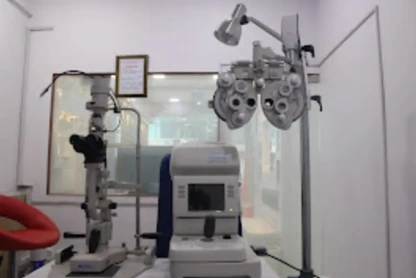

Welcome to Vision Concern in Kathmandu, Nepal.
Get appointment · Our locations · WhatsApp