Quick answer: General ophthalmology covers the diagnosis and medical or surgical treatment of common eye diseases such as cataract, glaucoma, infections, dry eye and diabetic eye disease. Optometrists…
Quick answer: Vision therapy is a programme of supervised eye exercises mainly used for binocular vision problems such as convergence insufficiency. It usually runs for several weeks to a few months,…
Quick answer: Eye-disease warning signs that need prompt attention include sudden vision loss or blur, new flashes or floaters, a curtain over vision, eye pain, a very red eye, double vision, distorte…
Quick answer: Eye exercises such as the 20-20-20 rule, blinking breaks and focus shifting can ease screen-related eye strain, but they do not correct short sight, long sight or astigmatism. Specific e…
Quick answer: Diabetes can damage the small blood vessels of the retina (diabetic retinopathy) and also raises the risk of cataract and glaucoma. Early retinopathy often has no symptoms, so people wit…
Quick answer: Age-related macular degeneration (AMD) damages the macula, the centre of the retina used for reading and recognising faces. Dry AMD usually progresses slowly; wet AMD involves leaking bl…
Quick answer: Good sunglasses for Nepal block 100% UV (UV400), fit closely enough to stop light from the sides, and use polarised or darker lenses for glare from roads, water and snow. For trekking ab…
An eye test (vision test or eye checkup) measures how clearly you see at distance and near, works out any glasses prescription, and checks the health of the eyes and how they work together. A chart te…
Quick answer: Signs of an eye infection include redness, discharge, crusting, itching, a gritty feeling and swollen eyelids. Stop wearing contact lenses, do not share towels, and avoid rubbing. Get ur…
Quick answer: Vision Concern branches in Kathmandu offer eye checkups by appointment on Saturday as well as during the week, which suits working people, families and tourists. A comprehensive eye test…
Progressive lenses look blurry at first because only a central corridor is sharp and the sides are softer by design. Blur that lasts beyond about two weeks usually means the fitting height, pupillary…
Quick answer: Difficulty reading small print after about age 40 is usually presbyopia, the natural loss of near focusing. It is corrected with reading glasses, bifocals or progressive lenses after an…
Blurry vision even with glasses most often means your prescription has changed, the lenses were made with wrong measurements, or the lenses are scratched. Dry eye, digital eye strain, cataract and som…
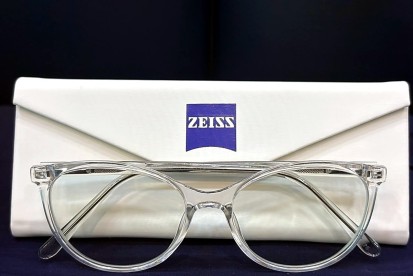
Quick answer: Expats and diplomats in Kathmandu use Vision Concern for comprehensive eye examinations in English, premium frames and lenses including ZEISS, contact lenses and quick repairs. Vision Co…
Quick answer: Scleral lenses are large rigid gas-permeable contact lenses that vault over the cornea and rest on the white of the eye, with a fluid reservoir underneath. They give clear vision for irr…