Meta tracking pixel

Clinical assessment guide

Dry Eye Assessment: Finding the Cause Before Choosing Treatment

Burning, grittiness, watering and fluctuating vision can have different causes. A structured assessment helps distinguish tear deficiency, evaporation, eyelid factors, environment and other eye-surface problems.
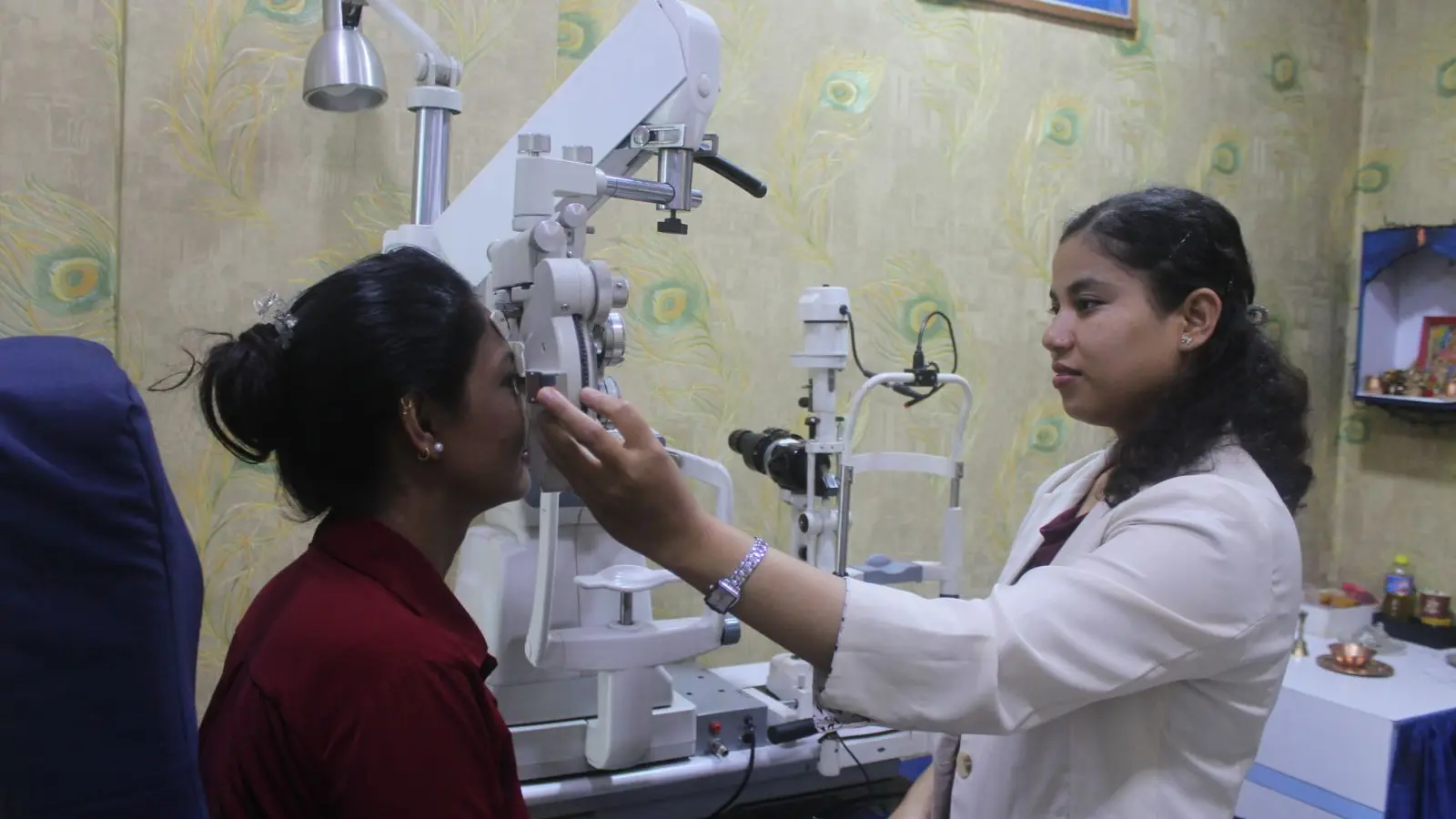
Real slit-lamp eye-surface assessment at Vision Concern Kathmandu

History and symptoms

  • Timing, severity and activities that trigger symptoms
  • Screen use, contact lenses, airflow and environmental exposure
  • Current drops, medicines and relevant health history
  • Red-flag pain, injury, light sensitivity or sudden visual change

Possible examination steps

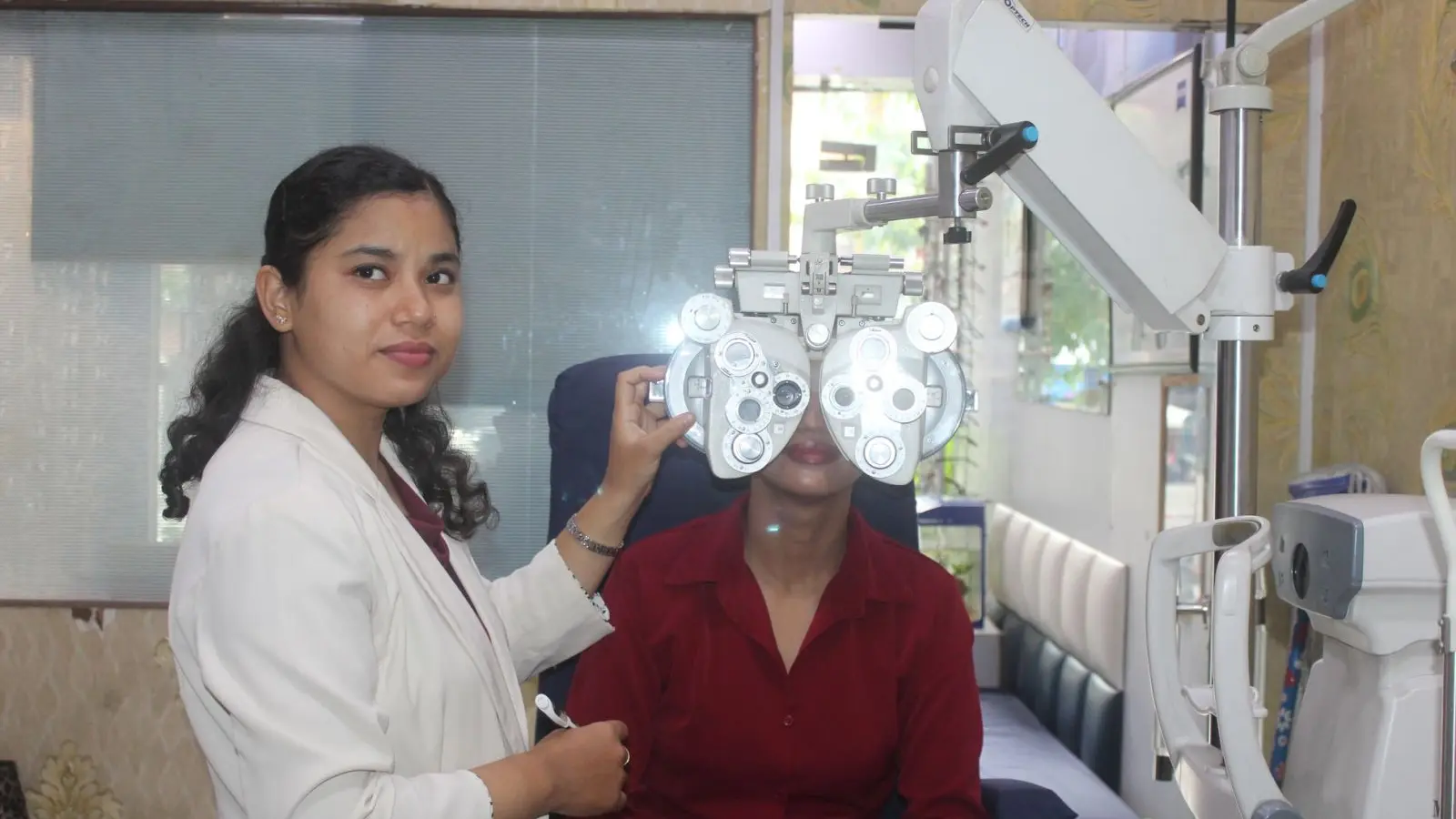
  • Vision and prescription review
  • Slit-lamp assessment of lids, tears and ocular surface
  • Tear stability or volume tests when indicated
  • Review of meibomian gland and blink function

Management may include

  • Environment and screen-habit changes
  • Clinician-selected lubricants or eyelid care
  • Contact-lens wear adjustment
  • Medical referral or prescription treatment when required
Real Vision Concern prescription and symptom assessment
Real patient-care environment at Vision Concern.

What this means for you

Dry eye cannot honestly be promised a permanent cure in every case. Management depends on the cause and may require ongoing review.

Clinical review and reference

Reviewed by Yadav Raut, Master in Optometry (Norway). Updated October 2026.

National Eye Institute — Testing for Dry Eye

This guide is educational and does not replace an individual examination or medical diagnosis.

Call WhatsAppReplies within minutes Book an eye appointmentNPR 400