Meta tracking pixel

Older-adult eye-care guide

Senior Vision Changes: Clearer Sight, Safety and Timely Referral

Near focus, contrast, glare recovery and light needs can change with age. Vision loss should not simply be dismissed as normal ageing because some eye diseases have few early symptoms.
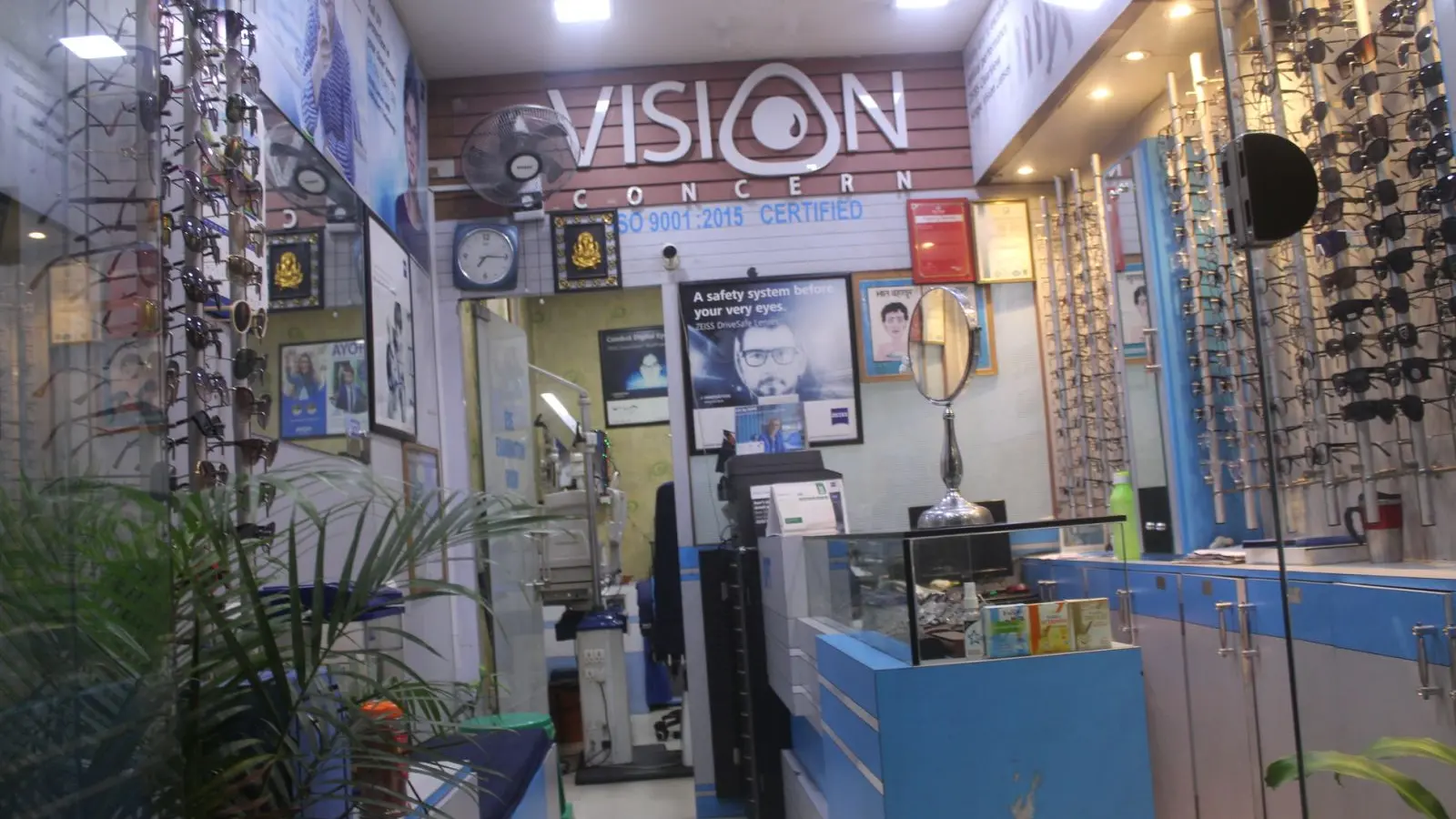
Professional Vision Concern clinic environment for senior eye care

Common age-related needs

  • Reading or progressive prescription updates
  • More task lighting and glare control
  • Cataract assessment when clarity declines
  • Low-vision support when ordinary glasses are insufficient

Reasons for medical referral

  • New distortion or a dark central area
  • Sudden vision loss, flashes or many floaters
  • Eye pain, injury or marked redness
  • Possible glaucoma, cataract, retinal or diabetic eye disease

Prepare for the appointment

  • Bring current glasses and old prescriptions
  • List medicines and relevant health conditions
  • Describe driving, reading and mobility difficulties
  • Attend with a family member if communication or movement support helps
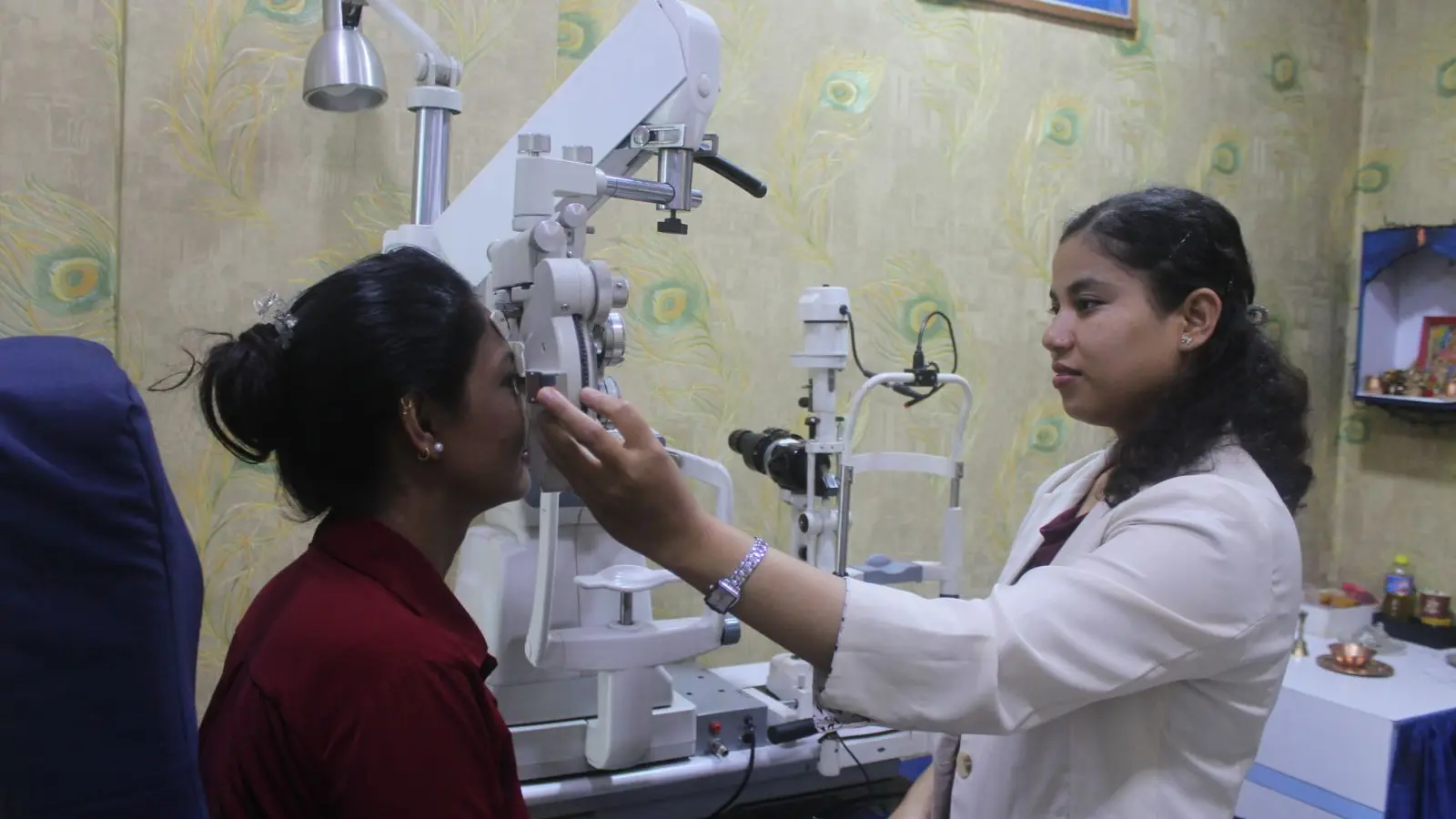
Real slit-lamp assessment supporting senior eye care
Real patient-care environment at Vision Concern.

What this means for you

Regular comprehensive eye assessment supports early detection. The appropriate examination interval depends on age, symptoms, medical risks and prior findings.

Clinical review and reference

Reviewed by Samana Budhathoki, Master in Optometry (P.U.). Updated October 2026.

National Eye Institute — Vision and Aging Resources

This guide is educational and does not replace an individual examination or medical diagnosis.

Call WhatsAppReplies within minutes Book an eye appointmentNPR 400