Meta tracking pixel

Contact-lens learning centre

Contact Lenses: Materials, Wear Schedules and Safe Care

Contact lenses sit directly on the tear film and cornea. Material, oxygen performance, fit, replacement schedule and hygiene all affect comfort and safety.
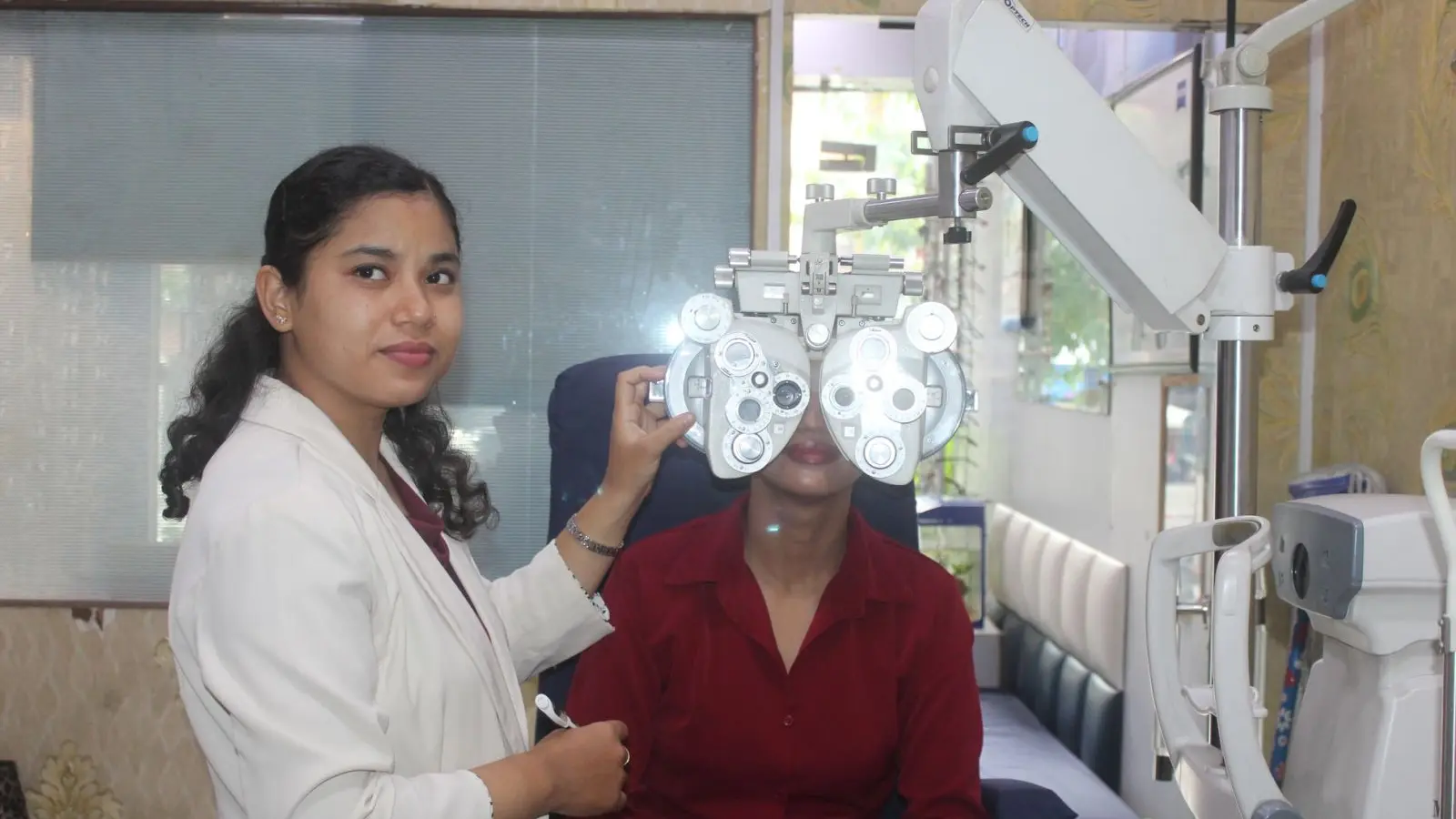
Real prescription assessment at Vision Concern before contact-lens fitting

Terms worth understanding

  • Dk describes oxygen permeability of a material
  • Dk/t relates oxygen transmissibility to lens thickness
  • Base curve and diameter influence lens behaviour on the eye
  • Daily, two-week and monthly labels define replacement—not safe sleeping time

Essential safety habits

  • Wash and fully dry hands before handling lenses
  • Keep lenses and cases away from tap, bottled and swimming water
  • Never top off old solution; use fresh recommended solution
  • Do not sleep in daily-wear lenses unless specifically prescribed

Stop lens wear and seek care

  • Increasing redness or pain
  • Light sensitivity
  • Discharge or marked watering
  • Sudden blur that does not clear after removing the lens
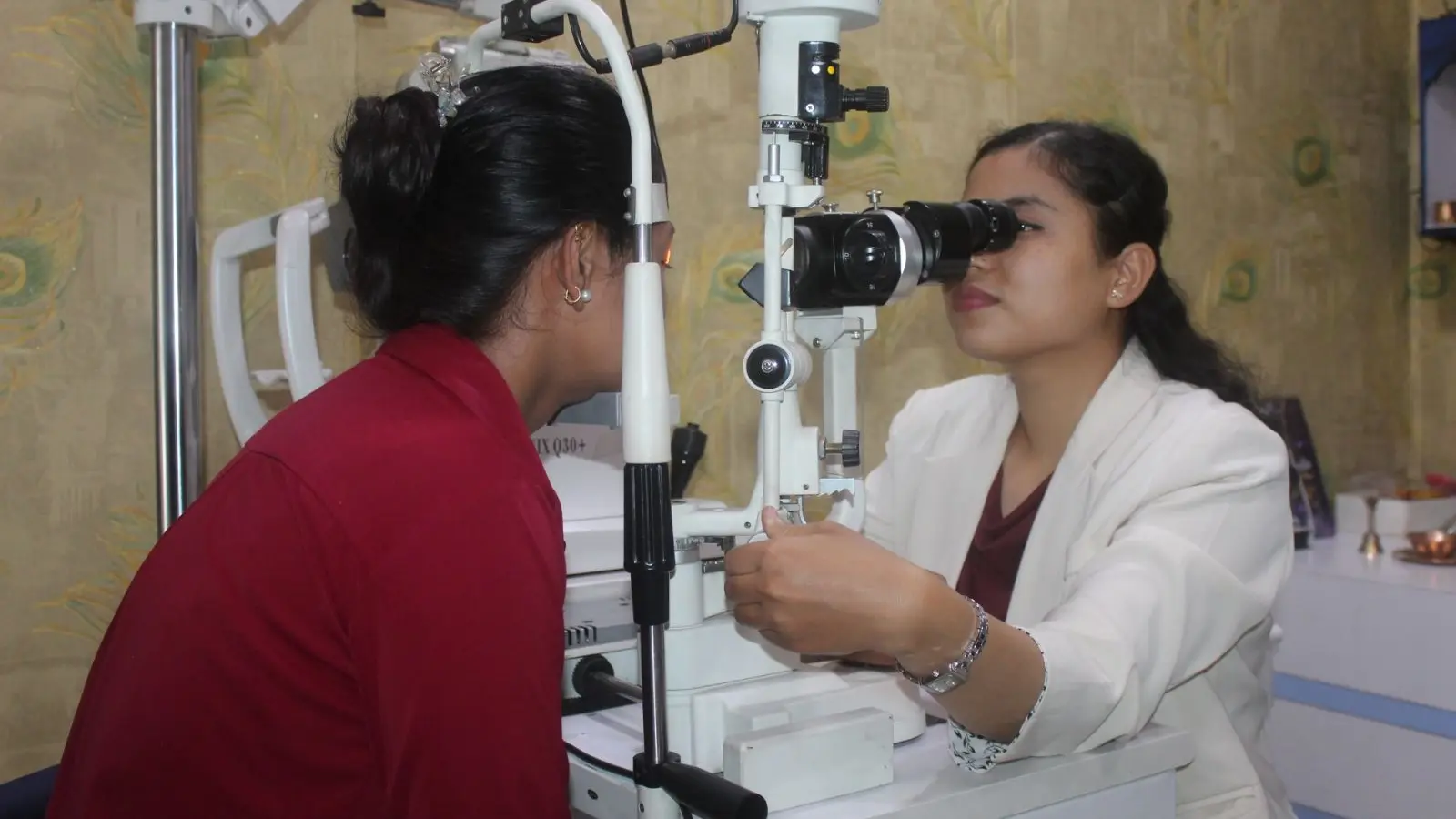
Real clinical assessment before optical product selection
Real patient-care environment at Vision Concern.

What this means for you

Daily, monthly, toric, multifocal and coloured lenses all require proper prescription and fitting. Never share lenses or buy decorative lenses without professional assessment.

Clinical review and reference

Reviewed by Yadav Raut, Master in Optometry (Norway). Updated September 2026.

CDC — Healthy Contact Lens Wear and Care

This guide is educational and does not replace an individual examination or medical diagnosis.